





What makes an apple an Heirloom Apple? Why do we call the apples of the Crossnore Heritage Orchard, “Heirloom Apples”?
An “heirloom” is something of great value that is handed down for generations. For over 300 years these apple varieties have been grown in home orchards, providing sustenance and traditional memories for generations of American families.
First, let’s start with some background information. When Spanish Conquistadors began exploring North America about 450 years ago, they discovered there were no apples trees. There were actually no apple trees anywhere in the Western Hemisphere at that time!
Our ancestors braved the high seas of the Atlantic Ocean during in the 1600 and 1700s to get here and most could not, practically speaking, bring their apple trees with them. So many of them brought a few apple seeds from their home countries, stored in their baggage.
Our ancestors, mostly from the British Isles and Western Europe, were quite familiar with apples. Their families had grown apples for hundreds of years and used them for many purposes. Beginning here is the 1600s, they would plant their first orchards with these European apple seeds. They would start their new trees from seed in small nursery beds, then transplant these seedling apple trees into their “seedling tree orchards”.
What is a seedling orchard? If you plant a seed from a a specific apple, the new apple tree that grows will produce apples, but they will be a brand new apple! The new tree will not produce the original apple that the seed came from. This is because apple trees are cross-pollinated; which leads to a random combination of genetic possibilities from both parent trees. The seeds will produce a unique apple, not exactly like either of the parent trees.
They knew this well before hand. They knew that in their “seedling orchard” some of the new apples might be unpalatable, even bitter, others would be “just average” but others would be sweet. However, when harvested and pressed together they would produce a delicious and useful juice they called “apple cider”. Most of this apple cider would theen be fermented, stored, and consumed throughout the winter.
They also knew that among the seedling apple trees they grew, perhaps 1 in 100, might produce a very good apple, a delicious or highly useful apple! These apples might have a very sweet, distinctive flavor. They might also have excellent baking characteristics or be best for vinegar. The early settlers were also looking for the best apples to dry and others to store well underground in cellars. They were selecting apple trees based on many different qualities. And their selected apple trees would be mostly “insect and disease resistant.”
When our ancestors discovered and selected these “best” apple trees, they would name them and soon after, start grafting them. Grafting is an ancient technique that would produce new copies of the original tree, called clones. These copies of their best apple trees were usually shared with extended family members and neighbors. (For more information, watch for a new page called, “Grafting Apple Trees”)
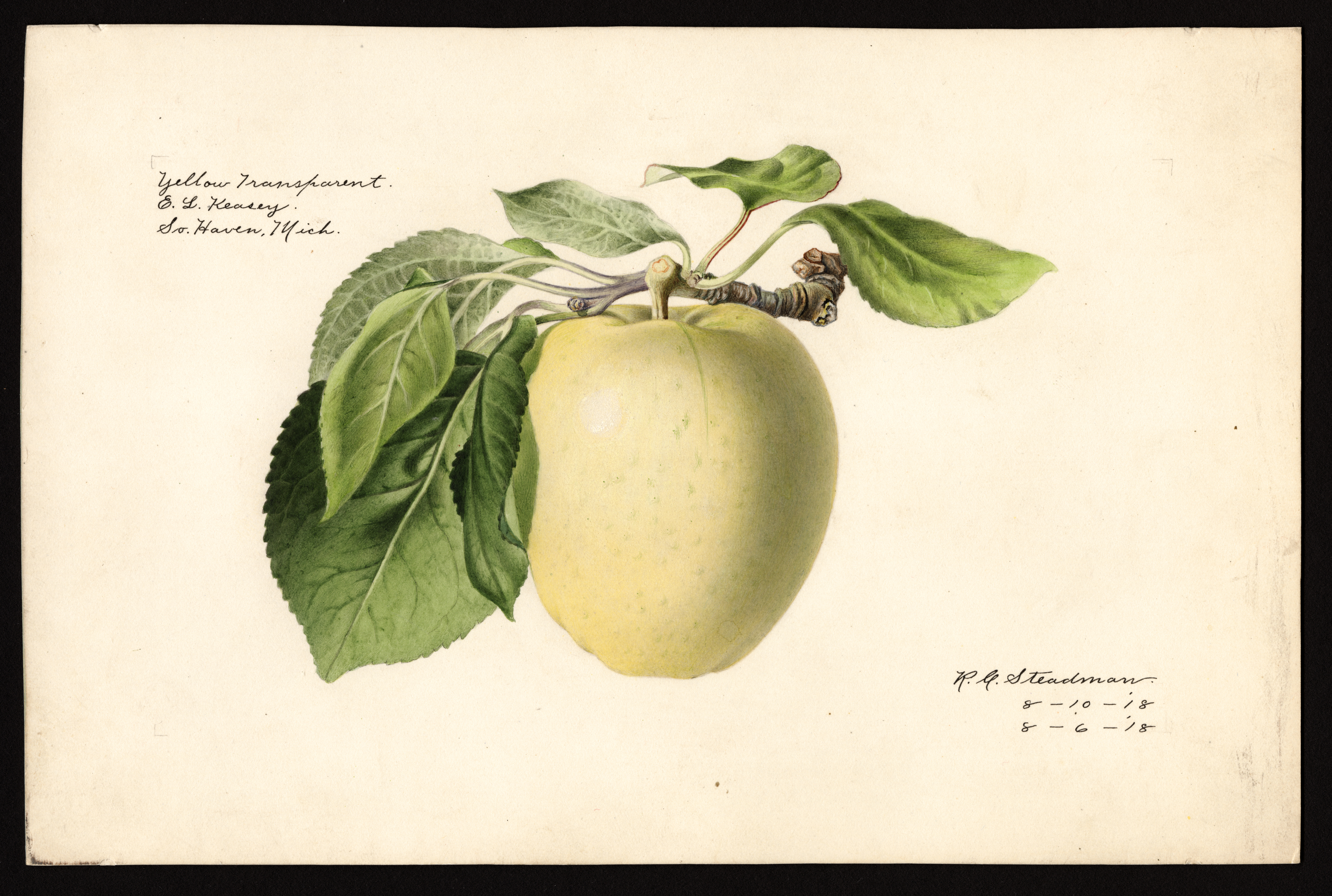
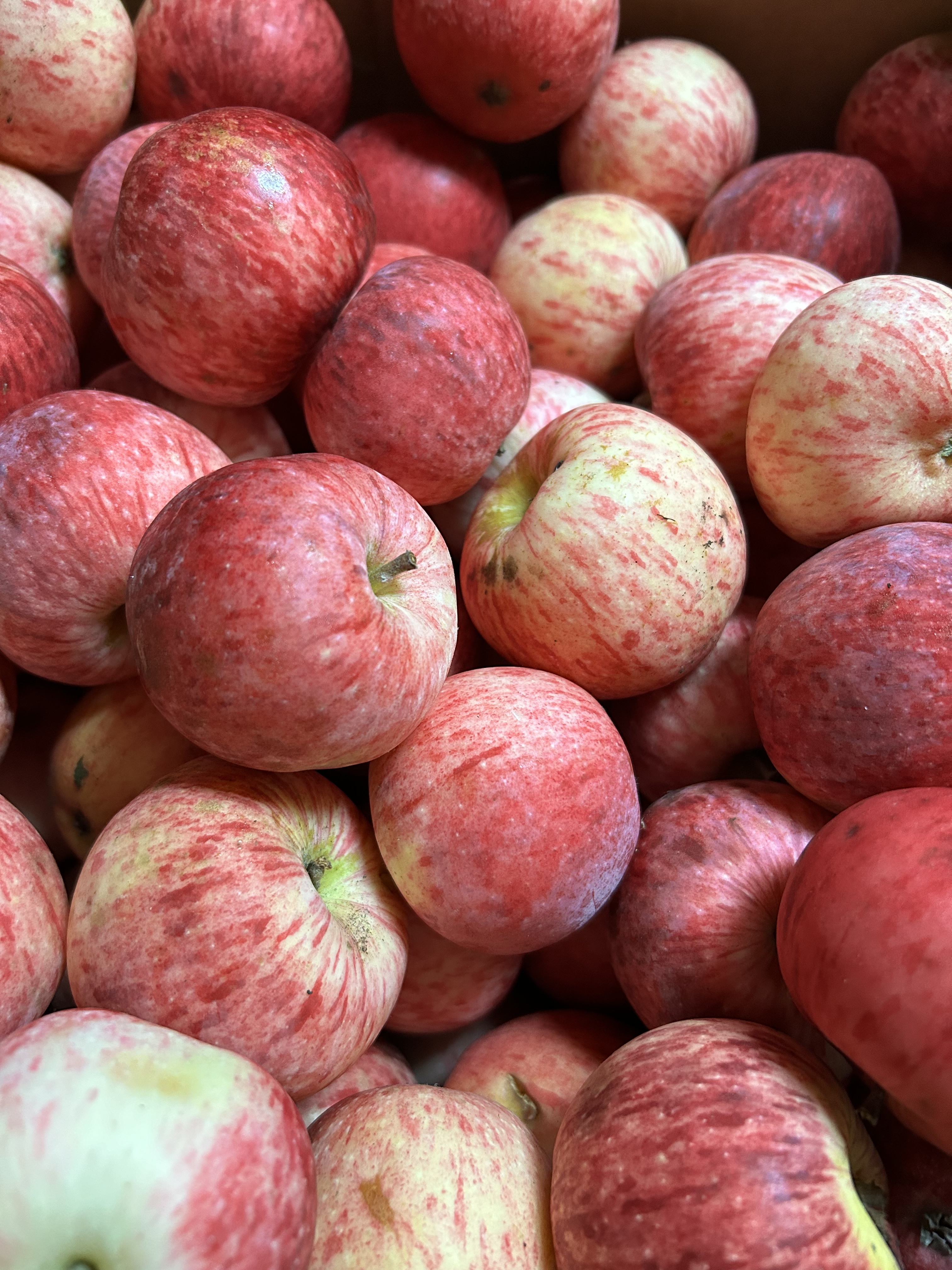
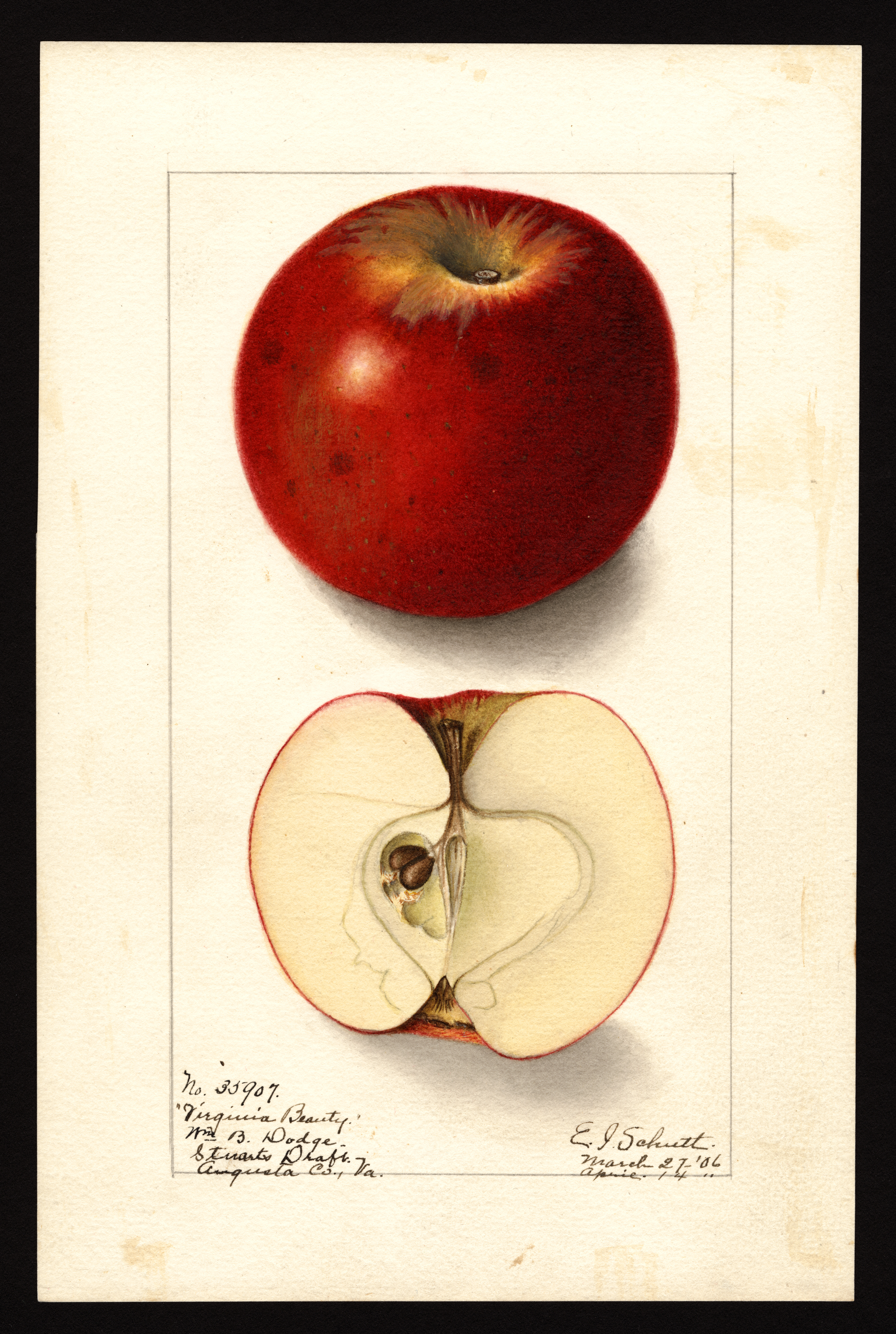
Around 1770, our ancestors of Colonial America began spreading westward, beyond the Appalachian Mountains. For the journey to new territories, many carried with them grafting wood, known as “scionwood”, from their family’s pioneer orchard. Over a period of 100 more years, hundreds of these best American born apple varieties would be spread across most of North America! Here are just some of these selected apple varieties; Now part of American history and remembered as our ‘Heirloom Apples’.
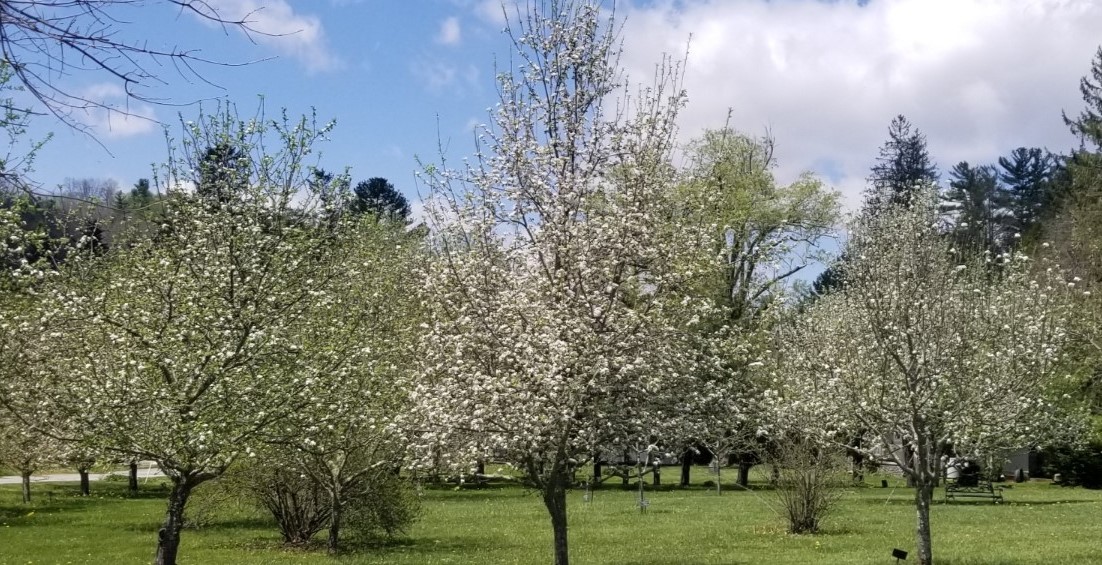
All the apple trees in the Crossnore Heritage Orchard have this same origin story. There are many more heirloom apple varieties not in our community orchard, and each of them were discovered and selected this same way. Our nation’s heirloom apples are the best American apples selected and saved for us, by our ancestors.
A search for “Southern” heirloom apple varieties was started by a North Carolinian named Creighton Lee Calhoun. Upon retirement in 1980, Mr. Calhoun began searching for the heirloom apples of North Carolina and his search naturally carried him into adjoining states as well. He found some of these historic apples still growing in rural communities and old farms across the South. He continued his search in old fruit-tree catalogs from the 1800s. He and his wife Edith found them when visiting Southern Agricultural Universities, and the National Agricultural Library in Washington DC. There he found references for hundreds of southern heirloom apple varieties from the past, realizing many older apple varieties were extinct.
They continued searching the country side, looking for these apple trees. By 2010, Lee and Edith Calhoun published his seminal book, “Old Southern Apples”. In it he listed a total of 1,800 apple varieties that were once grown in the South. Unfortunetly, he found only around 400 were still being grown.
Lee Calhoun inspired many heirloom apple hunters to join him in this work. In recent years apple hunters are at work searching rural areas across the United States, and finding more lost apples! Unfortunately the results are still not encouraging. Nationally it’s estimated that across the United States there may have been 5,000 apple varieties originally selected for grafting and grown by our ancestors. Americans continued to grow many of them in home orchards until around 1900. However, in recent years it’s been realized we may have only around 1,200 left nationally.
So, what happened to all these heirloom apple varieties now missing? One idea is that over the course of about 100 years, maybe 1870 to 1970, a large percentage of the small farms of America, and with them their home orchards, may have just disappeared! As sad as that is, what can we do? Planting these remaining heirloom apple varieties in home orchards today, is one way to help preserve these varieties we still have.
Over the last 25 years heirloom apple trees to plant have become more available. Several nurseries in North Carolina have been established specialising in heirloom varieties. Cooperative Extension Center Plant Sales in Western NC and across the state are now offering heirloom apple varieties. Nationally there is growing interest in these historic varieties, and new sources of the scionwood to start new home orchards.
If you don’t have the land to plant apple trees, you can help by donating your time or money to preservation orchards, like this one. Together we can make a better effort to keep these gems of American history growing in our modern landscapes.
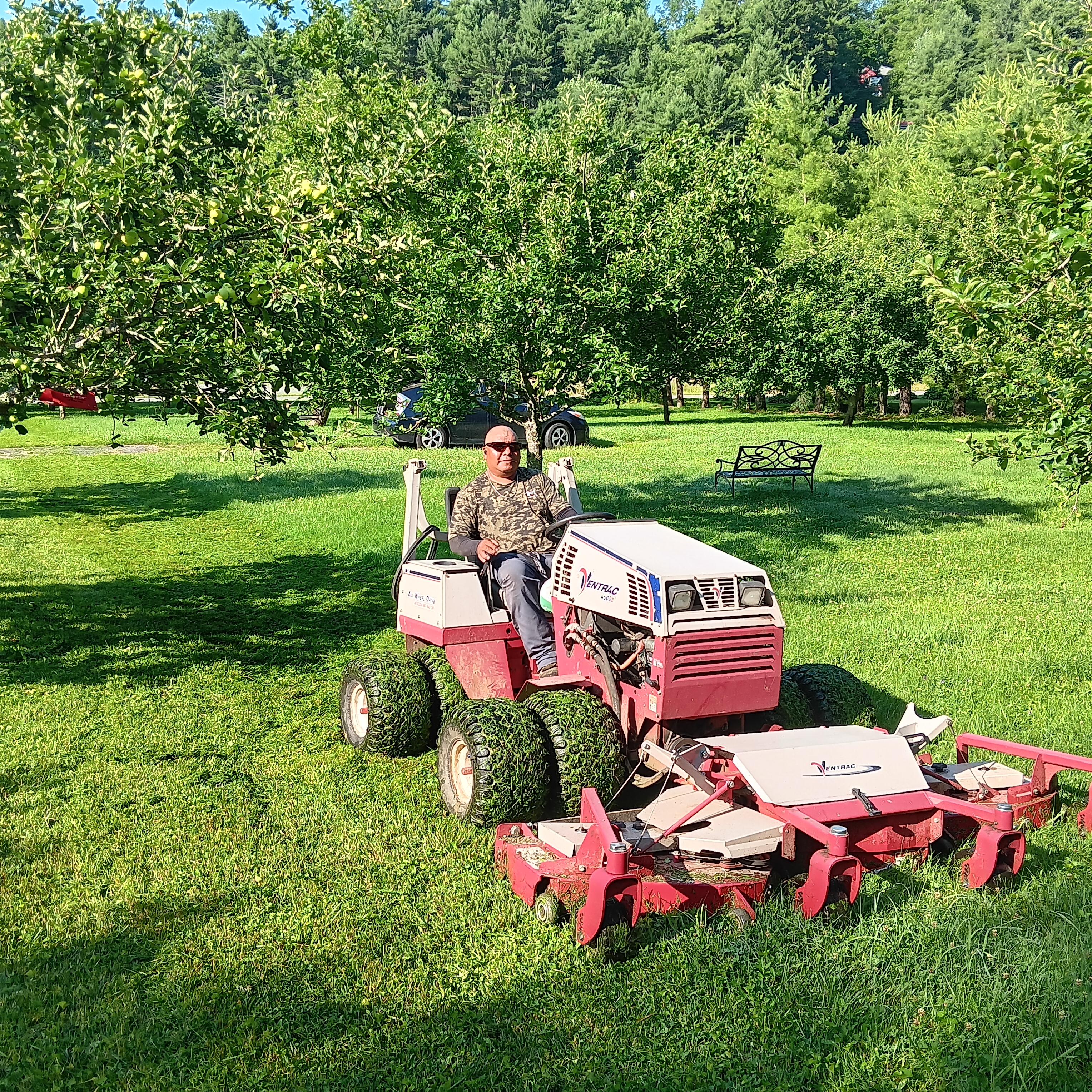
The Crossnore Heritage Orchard is now a 501c3 non-profit organization. We welcome donations of any size going for the upkeep of this community heirloom apple orchard. Go to the “Donate Now” button listed on the <Left<.
The trees planted in this Orchard will out-live most of us, with a life expectency of 75-100 years.
